Check back soon
Once posts are published, you’ll see them here.


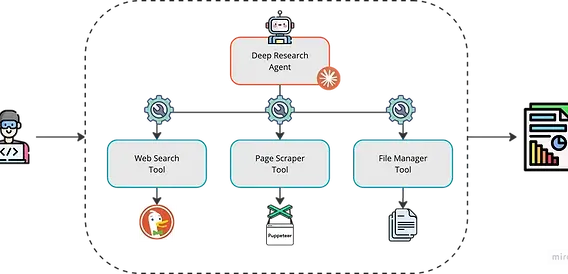


What it does
Searches the web, databases, and internal documents
Queries academic sources (papers, journals, preprints)
Pulls data from APIs, PDFs, and spreadsheets
Examples
Finding peer-reviewed studies on a medical treatment
Pulling government statistics from census or labor data
Searching company filings or technical documentation
What it does
Reads long documents (PDFs, reports, books)
Extracts key facts, arguments, and figures
Identifies sections like methods, results, and conclusions
Examples
Extracting conclusions from a 40-page research paper
Pulling definitions and formulas from technical specs
Identifying methodology flaws or assumptions
What it does
Summarizes individual sources
Combines multiple sources into a coherent overview
Identifies consensus, disagreements, and trends
Examples
Writing a literature review
Producing an executive summary for policymakers
Comparing findings across multiple studies
What it does
Assesses reliability and bias
Flags outdated or contradictory sources
Cross-checks claims across references
Examples
Distinguishing peer-reviewed studies from opinion pieces
Detecting inconsistent statistics
Ranking sources by credibility
What it does
Extracts tables, figures, and datasets
Performs basic statistical analysis
Identifies patterns, correlations, or anomalies
Examples
Extracting GDP figures from reports
Calculating averages, trends, or projections
Comparing datasets across years or regions
What it does
Builds structured representations (tables, outlines, graphs)
Tags concepts and relationships
Creates timelines, taxonomies, or knowledge graphs
Examples
Mapping how theories relate to each other
Creating a timeline of events
Organizing sources by theme
What it does
Drafts reports, briefs, or white papers
Writes in academic, technical, or plain-language styles
Formats citations and references
Examples
Drafting a grant proposal
Writing a technical memo
Preparing presentation slides
What it does
Refines research questions based on findings
Suggests next steps or missing data
Identifies gaps in existing research
Examples
Narrowing a broad research question
Suggesting follow-up experiments
Identifying understudied populations
What it does
Calls other tools or agents (search, code, data analysis)
Coordinates multi-step workflows
Automates repetitive research tasks
Examples
One agent gathers sources while another summarizes
Automatically updating a research dashboard
Running scheduled monitoring tasks
What it does
Converts research into actionable insights
Presents options, trade-offs, and risks
Supports policy, business, or scientific decisions
Examples
Advising which strategy has strongest evidence
Comparing policy outcomes
Highlighting uncertainty and confidence levels